
Printable Emoji
Printable Emoji - Selecting all cells with emoji in them. As for emoji characters, that a bit more complicated. Clicking the fonts dropdown menu. If this is serviceable, noto emoji can be accessed by: The json file will contain: This is nice if you can't remember the regex or don't care to look it up. The first one \ud83d\ude8a relates to u+1f68a and if you download emoji for php you will get a css file and a png file linking to to the right icon. Thus naively iterating the unicode scalars won't produce any of the family emoji. Unicode block 'emoticons' (u+1f600 to u+1f64f), but that's not really all the emoji characters, e.g. I need to print the red heart emoji ️️ with unicode in python 3 but it has two unicodes (\u00002764 and \u0000fe0f). But the regex mentioned by others is a nice solution as well. The first one \ud83d\ude8a relates to u+1f68a and if you download emoji for php you will get a css file and a png file linking to to the right icon. The json file will contain: You could just match the newer emoji characters in unicode, i.e. Clicking the fonts dropdown menu. If this is serviceable, noto emoji can be accessed by: This is nice if you can't remember the regex or don't care to look it up. Thus naively iterating the unicode scalars won't produce any of the family emoji. It will replace all invalid chars with 3 # symbols; Unicode block 'emoticons' (u+1f600 to u+1f64f), but that's not really all the emoji characters, e.g. But the regex mentioned by others is a nice solution as well. Go to find/replace and look for ###. It will replace all invalid chars with 3 # symbols; The json file will contain: Replace it with a space. As for emoji characters, that a bit more complicated. Go to find/replace and look for ###. But the regex mentioned by others is a nice solution as well. I need to print the red heart emoji ️️ with unicode in python 3 but it has two unicodes (\u00002764 and \u0000fe0f). The first one \ud83d\ude8a relates to u+1f68a and if you. The json file will contain: This is nice if you can't remember the regex or don't care to look it up. Clicking the fonts dropdown menu. But the regex mentioned by others is a nice solution as well. Noto emoji itself is the closest option google sheets has for exporting to.pdf which include emoji. Per the documentation, this expression needs to be written to be compatible with both jscript and.net regex regular expressions. It will replace all invalid chars with 3 # symbols; Thus naively iterating the unicode scalars won't produce any of the family emoji. Selecting all cells with emoji in them. The json file will contain: Unicode block 'emoticons' (u+1f600 to u+1f64f), but that's not really all the emoji characters, e.g. Thus naively iterating the unicode scalars won't produce any of the family emoji. If this is serviceable, noto emoji can be accessed by: The json file will contain: The first one \ud83d\ude8a relates to u+1f68a and if you download emoji for php you will get. Unicode block 'emoticons' (u+1f600 to u+1f64f), but that's not really all the emoji characters, e.g. The json file will contain: Go to find/replace and look for ###. Selecting all cells with emoji in them. It will replace all invalid chars with 3 # symbols; Thus naively iterating the unicode scalars won't produce any of the family emoji. Selecting all cells with emoji in them. Noto emoji itself is the closest option google sheets has for exporting to.pdf which include emoji. Unicode block 'emoticons' (u+1f600 to u+1f64f), but that's not really all the emoji characters, e.g. If this is serviceable, noto emoji can be accessed. If this is serviceable, noto emoji can be accessed by: Noto emoji itself is the closest option google sheets has for exporting to.pdf which include emoji. Go to find/replace and look for ###. It will replace all invalid chars with 3 # symbols; This is nice if you can't remember the regex or don't care to look it up. It will replace all invalid chars with 3 # symbols; As for emoji characters, that a bit more complicated. Unicode block 'emoticons' (u+1f600 to u+1f64f), but that's not really all the emoji characters, e.g. The json file will contain: Replace it with a space. Unicode block 'emoticons' (u+1f600 to u+1f64f), but that's not really all the emoji characters, e.g. But the regex mentioned by others is a nice solution as well. Thus naively iterating the unicode scalars won't produce any of the family emoji. I need to print the red heart emoji ️️ with unicode in python 3 but it has two unicodes (\u00002764. Thus naively iterating the unicode scalars won't produce any of the family emoji. The json file will contain: You could just match the newer emoji characters in unicode, i.e. Unicode block 'emoticons' (u+1f600 to u+1f64f), but that's not really all the emoji characters, e.g. But the regex mentioned by others is a nice solution as well. Per the documentation, this expression needs to be written to be compatible with both jscript and.net regex regular expressions. Replace it with a space. Clicking the fonts dropdown menu. Selecting all cells with emoji in them. The first one \ud83d\ude8a relates to u+1f68a and if you download emoji for php you will get a css file and a png file linking to to the right icon. Go to find/replace and look for ###. This is nice if you can't remember the regex or don't care to look it up. If this is serviceable, noto emoji can be accessed by:
Emoji Faces Printable {Free Emoji Printables} Paper Trail Design

Emoji Faces Printable {Free Emoji Printables} Paper Trail Design

Free emoji printables Artofit

44 Awesome Printable Emojis
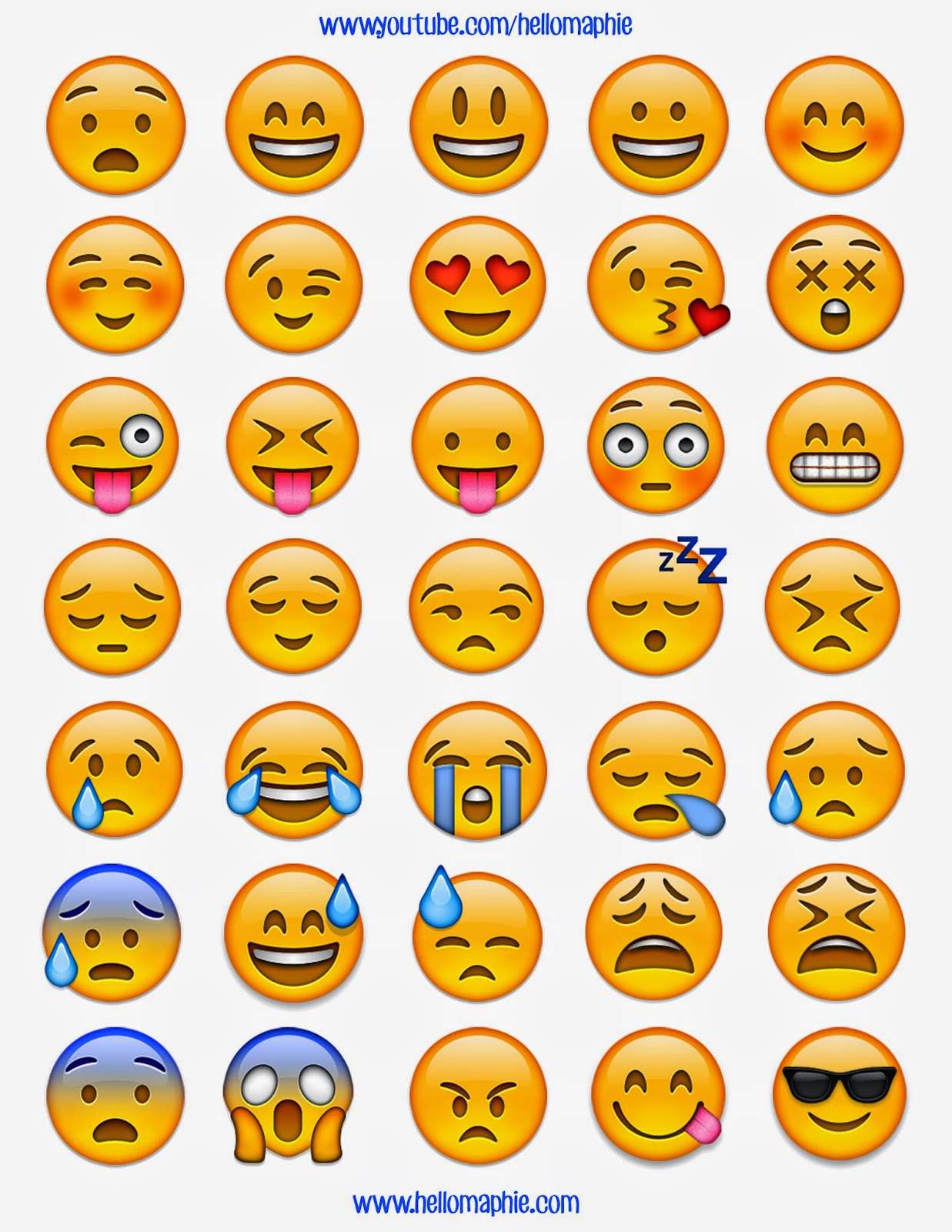
Printable Emoji Template

Emoji Faces Printable {Free Emoji Printables} Paper Trail Design

Emoji Faces Printable {Free Emoji Printables} Paper Trail Design

44 Awesome Printable Emojis

Emoji Faces Printable {Free Emoji Printables} Paper Trail Design
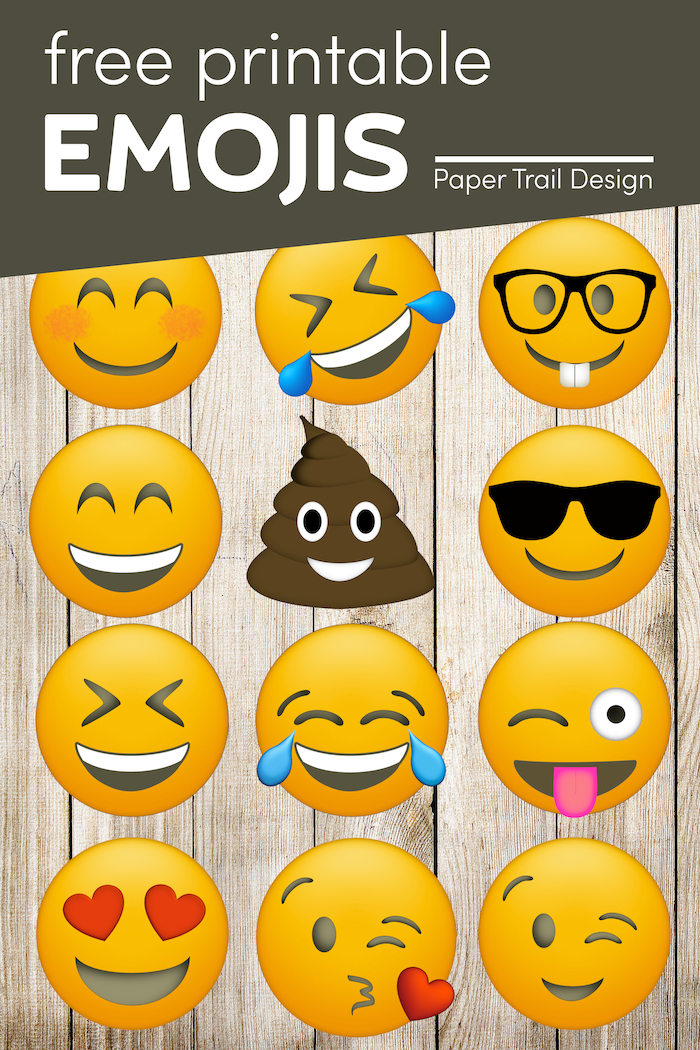
Printable Single Emojis
Noto Emoji Itself Is The Closest Option Google Sheets Has For Exporting To.pdf Which Include Emoji.
It Will Replace All Invalid Chars With 3 # Symbols;
As For Emoji Characters, That A Bit More Complicated.
I Need To Print The Red Heart Emoji ️️ With Unicode In Python 3 But It Has Two Unicodes (\U00002764 And \U0000Fe0F).
Related Post: